It is tough to keep your vehicle flawless from all the environmental factors, such as dust, harmful sun rays, stones, and road debris, which slowly chip off the car’s shine. Here comes the best paint protection film into the action that works as an invisible shield and protects your vehicle’s exterior. There are so many options in the market, but the question is how to select the right PPF for your automobile.
This blog will teach you key pointers before buying the best paint protection film. So, ensure that your investment safeguards your automobile and elevates its appearance and resale value in the years ahead.
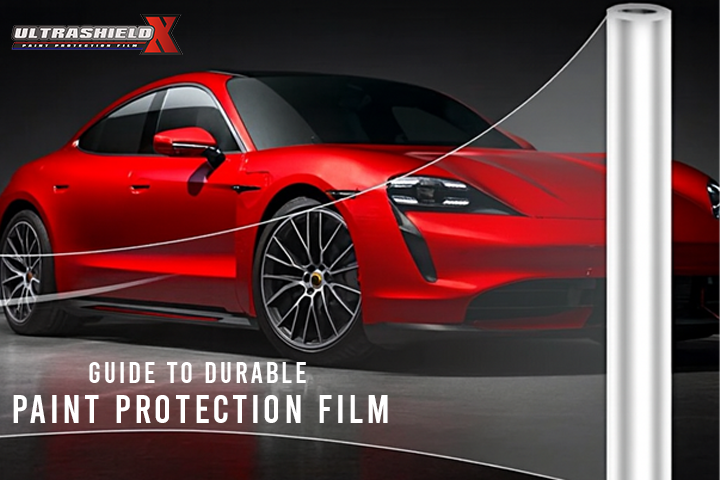
How to Identify the Best Paint Protection Film for Car
Here are the pointers on how to know the best paint protection film for your car:
-
Look for self-healing properties
A good quality paint protection film does come up with modernised self-healing components that allows minor scratches and swirl marks to vanish when exposed to sunlight and heat. So in their box search for the term such as heat-activated or instant self-healing in the product description section.
-
Examine the optical clarity
A high-quality PPF should be virtually invisible once it’s applied. It should be smoothly mixed with your car’s paint, without leaving out any orange peel textures. Always ask your installer for a demo patch test before applying your entire car PPF installation.
-
Choose the finish – Gloss, Matte, or Carbon Fibre
Paint protection film is available in various finishes-
- Gloss – Which assists in elevating the depth and shine, which is ideal for factory fresh paint.
- Matte – Gives a sleek stain appearance and transforms the glossy paint into a subtle matte finish.
- Carbon Fibre – This makes your car look seamless with an advanced carbon fibre appearance and changes your car’s look to be sleek with firmer TPU black carbon fibre PPF.
So select a style according to your car’s style and personal preferences.
-
See its thickness and Durability
The best paint protection film generally scales from six mils to 12 mils in thickness. A thicker film do provide a high safety against any scratches or rock chips. Whereas a thinner one might be more translucent and would not be durable for as many years. So make a good balance that goes well according to your driving conditions.
-
Make sure it’s UV-resistant and Anti-Yellowing
A low-quality film generally turns yellow with time due to exposure to harmful UV rays. A premium PPF, with characteristics such as an anti-yellowing coating and UV blocker, assists in keeping your car looking fresh, specifically in sunny areas.
-
Search for Stain-Resistant and Hydrophobic
A paint protection film with a hydrophobic top coat that push away the dust, dirt, rain, bird droppings and tar. This is the only way that assist in keeping your car clean for a longer period and even lessens the maintenance work.
-
Check the warranty and lifespan
Warranty is one of the crucial indicators of the film’s quality
- PPFs Budget – Generally lasts for about 2-5 years.
- A premium PPF – It usually comes with warranties of about 7 to 10 years.
Few manufacturers even give transferable warranties, which enhances your car’s resale value.
-
Professional Installation
The best quality PPF can underperform if not installed correctly. Always choose a certified installer with the given expertise. See their past works, workshops, and customer reviews before completing it. A professional installation will provide a bubble-free, seamless application with precise edges.
Maintenance Tips for Long-Lasting Paint Protection Film
Below are a few pointers on how to manage your paint protection film for years and years.
-
Give it the time to cure
After the paint protective film installation, it requires some days for curing, about 7 to 14 days. Around this period, don’t wash up your car or expose it to any harmful chemicals. The film requires some time to get bonded up properly with the vehicle’s painted surface.
-
Wash it off in the correct way
- Always use only the two bucket method to wash off your vehicle, and only do a hand wash with a pH-balanced, specific automobile shampoo.
- Avoid using automatic car washing machines or stiff or rigid brushes to clean up, as they only create unwanted abrasions.
- Always use a smooth microfiber cloth or wash mitts to avoid scratches on your vehicle’s paint finish.
-
Don’t Use Hard Chemicals
Experts always advise you never to use any abrasive polisher, string solvents, or waxes with naphtha/ kerosene. These kinds of things do damage the film’s topcoat and also lessen its clarity. Instead, use PPF safe-cleaning products as recommended by your professional installer.
-
Dry it up properly
After washing, don’t let any water droplets form on the film. Use a clean microfiber drying towel or an air blower to dry off your vehicle, remove any extra water, and avert any mineral deposition.
-
Manage the Hydrophobic Layer
Most of the high-quality PPFs have a hydrophobic feature. Over time, you can revive it with a ceramic coating or sealant formulated for the PPF. This hydrophobic coating ensures dirt, stains, and water don’t cling to the surface.
-
Manage Stains Instantly
Tree sap, bird droppings, and bug splatter might get stuck with the paint protection film if left unseen and untreated for a long time. So experts always say to clean it up instantly as soon as you see it to prevent getting permanent marks on it.
-
Avoid any direct polishing or waxing
Direct waxing on the PPF is unnecessary, but even if you do so, then ensure that it is non-abrasive, a PPF-safe wax or sealant. Prevent any machine polishing. Don’t go with machine polishing unless it is been done by professional and skilled hands as aggressively polishing can lead to damage of the PPF film.
-
Safeguard it from extreme heat
As most of the best paint protection film has a self-healing components so avoid parking up your vehicle under the direct sun rays for long hours. As this excessive heat might increase the wear and tear which would affect the lifespan of the paint protection film.
-
Daily inspection
Even after a few months, don’t forget to examine your vehicle for random bubble formation, lifting of the edges, or discoloration. Early detection can assist in averting any bigger issues and permit us to make timely repairs.
-
Depend on professional care
If you see any yellowing, peeling, or stiff stains, go to a professional installer or automobile detailer, as the professionals hold the correct tools and products that assist in reviving or replacing the damaged area without affecting your vehicle’s paint.
Key Factors to Evaluate Before Buying PPF Film
Below are the pointers you should consider when selecting a paint protection film for your vehicle.
1. Check for Self-Healing Properties
One of the most advanced properties of modern paint protection film is its self-healing technique. This technique allows light scratches or swirl marks to disappear when exposed to heat or sunlight.
Why does it matter:
- Maintains the car, which has been looking new for a long time.
- Reduces the cost of maintenance.
- It is excellent for black cars showing lighter scratches.
Find words like “heat-active” or “instant self-healing” in product descriptions.
2. Evaluate Optical Clarity
A high-quality paint protection film should be virtually invisible after being installed once. This means:
- No deformation or orange peeling texture.
- Protects the original colour and brightness of the car’s paint.
Pro tips: Ask the installer for a small demo patch so you can examine the films’ transparency and how they are mixed with car paint.
3. Consider Finish – shiny vs matte
Paint protection films now come in another finish so that you can match or increase the aesthetics of your car:
Gloss Finish:
- Mix with shiny factory paint.
- Increases depth and glow.
Matte Finish:
- It gives a sleek and understated look.
- Changing a shiny paint job to a satin or matte look is excellent.
You can choose a finish depending on the look you want. Some brands also offer customised colours, such as PPF film, that combine unique style with safety.
4. Check Thickness and Durability
The films will be just as thick but with better security. Paint protection film is usually available in thicknesses from 6 mils to 10+ mils.
Main ideas:
- Thick films provide more protection against chips and scratches.
- Thin films can be more transparent but provide limited durability.
However, being very thick can make the film difficult to install or remove. Balance is important.
5. Check for UV Security and Anti-Yellowing
Over time, some low-quality films may become yellow due to UV exposure. Comes with premium paint protection film:
- UV blocking.
- Anti-Yellowing top coat.
- Long-lasting resistance to weathering and oxidation.
This is especially important in a tropical climate like India, where the sun can be intense in most years.
6. Water and Stain Resistance
Many new films have a hydrophobic (water-resistant) top coat. It helps:
- Stop water stains and mineral deposits.
- Make the car easy to wash.
- Reduce bug splatter, tar, and bird droppings.
If you want little maintenance, prioritise a film with hydrophobic and oleophobic properties.
7. Ask About the Guarantee and Long Life
The terms of the warranty talk about the manufacturer’s confidence in their product.
Standard Warranty Ranges
- Budget films: 2-5 years.
- Premium films: 5-10 years.
Some brands also provide transferable guarantees and add resale value to your car.
8. Install it Professionally
Even the best PPF film will be spoiled if a professionally skilled car detailer doesn’t install it.
Select a certified installation program:
- Check for brand-certified paint protection film technicians.
- Go to their workshop.
- See before/after samples.
- Read Google reviews and customer reviews.
Appropriate Installation Ensures:
- No air bubbles or folds.
- Accurate edges.
- Proper treatment time and hygiene.
9. Don’t Become Foolish with Cheap Prices
If it looks good to come true, it’s probably.
Avoid –
- Offers with extremely low prices.
- Unbranded or fake films.
- Installers who cannot explain warranty conditions.
While price is a factor, cost and quality should always come first when considering long-term car security.
10. Compare Partly vs Full Car Coverage
Depending on the budget, you may not need to wrap the entire car.
General paint protection film cover options:
- Partial front: hood, bumper, mirror, headlights.
- Full front: hood, fender, bumper, mirror, A-pillar.
- Track package: Side skirts, rocker panels, doors.
- Whole body: Maximum safety.
If you are on a budget, you can start with high-impact areas and expand coverage later.
11. Maintenance and Aftercare
Even with a great film, your car requires regular maintenance:
- Only hand washing (especially the first 7-14 days).
- Avoid complex chemicals or abrasive substances.
- Use paint protection film, safe shampoo, and a ceramic booster.
Regular maintenance makes the film look fresh and extends its service life.
Conclusion
Selecting the best paint protection film is much more than just picking up the brand; it is a way of finding the PPF with the proper blend of clarity, durability, aesthetics, and long-term value. Along with all this, it should hold self-healing properties, be UV resistant, and be a brand that gives professional installation of the PPF film by the hands of skilled automobile detailers, as every factor plays a significant role in making your car look brand new, and that too for years. Remember to consider the budget as a quality thing that always ensures low management cost, elevates the resale value, and gives peace of mind. So invest wisely in the right kind of PPF, where your car should be protected, and provide a gloss.
FAQs on Best Paint Protection Film
Q1. What is the best quality of paint protection film for car?
Ans. UltrashieldX holds the best quality paint protection films for cars and vehicles.
Q2. How do you get to know about the quality of the PPF?
Ans. Here are the following pointers through which you can get to know the quality of the paint protection film:
- Self-healing elements
- Thickness of the film
- Hydrophobic properties
- UV Resistance
- Clarity and finish
- Brand reputation
- Durability and longevity
- Warranty coverage
Q3. How many microns are best for paint protection film?
Ans. The basic rule is that the thicker the film, the better the protection. So the thickness of 8 miles (203 µm) balances between giving safety and easy installation.
Q4. What type of paint protection film memory is best for long-term use?
Ans. TPU (thermoplastic polyurethane) is the best material for prolonged paint protection. It provides better elasticity, self-healing capacity, UV resistance, and clarity than cheap alternatives such as PVC or TPH films.
Q5. Can I use PPF film or go to a professional?
Ans. While a DIY set exists, the professional installation is highly recommended for a spontaneous, bubble-free finish. Certified installers use hot air guns, accurately cutting tools, and a clean room environment to ensure appropriate use.
Q6. Can I wash my car after PPF installation?
Ans. Yes, you can by using a mild specified automobile shampoo, but don’t wash off instantly as PPF takes a week or so to get properly settled with your car body and to be able to work effectively. So it’s advised not to wash immediately, but wait for 7 to 14 days.
0 Comments